What First-timers to Germany Need to Know
This post may contain affiliate links. Read my disclaimer policy.
If you’re planning your first trip to Germany, this is for you! I answer the big questions first-time visitors to Germany have about about things like transportation, itinerary planning, cultural etiquette, food, budgeting, etc.
Listen to the podcast episode or read the article below for valuable insights so you can enjoy best of Germany with confidence.
This article is also available as the Germany Travel Planning podcast episode 37. Use the player below to listen or continue reading the article below. See episode transcript on Apple podcasts.


Essential Things First-Time Visitors to Germany Should Know
Germany is Bigger Than You Think
I say this to almost every first-timer I work with: Germany is a big country. By European standards, it’s quite large, and one of the most common mistakes I see is people trying to squeeze in five or six regions in just five days. But that approach usually leads to spending much of your trip on trains or in the car instead of actually experiencing the places you came to see!
The good news is that no matter which part of Germany you focus on, there is so much to do:
- Germany has some of the most spectacular castles and castle ruins in the world.
- The Christmas markets are truly the best I’ve ever experienced — and I’ve been to a lot of them.
- You can find excellent local beer and wine just about everywhere you go.
- There’s incredible history, alpine coasters, hiking, beaches, and so many experiences that most people don’t even know exist.
- And compared to other popular European destinations, Germany is refreshingly uncrowded. The exception is Christmas market season and Oktoberfest. Those get busy!

Trip Planning Tips
Consider flying into one airport and out of another. Aaron and I do this all the time. Flying into Munich and out of Frankfurt, for example, lets you move through the country in one direction instead of wasting half a day backtracking to your starting airport.
Don’t overlook smaller airports. Hamburg, Stuttgart, and Nuremberg are all solid options, and if you’re coming from within Europe, Dresden and Cologne are worth checking too. Sometimes a smaller airport gets you closer to where you actually want to go and is a much calmer experience.
Look just outside Germany too. I’ve flown into Zurich, Prague, and Paris when the routing or pricing made sense. You have more flexibility than most people realize.
Book early! Hotels, flights, and rental cars fill up fast, especially around Christmas market season, Oktoberfest, and school holidays. The earlier you start looking, the better your options.
If you’re planning to work with private guides, reach out to them early. The ones I work with and recommend are excellent, and they fill up months in advance.
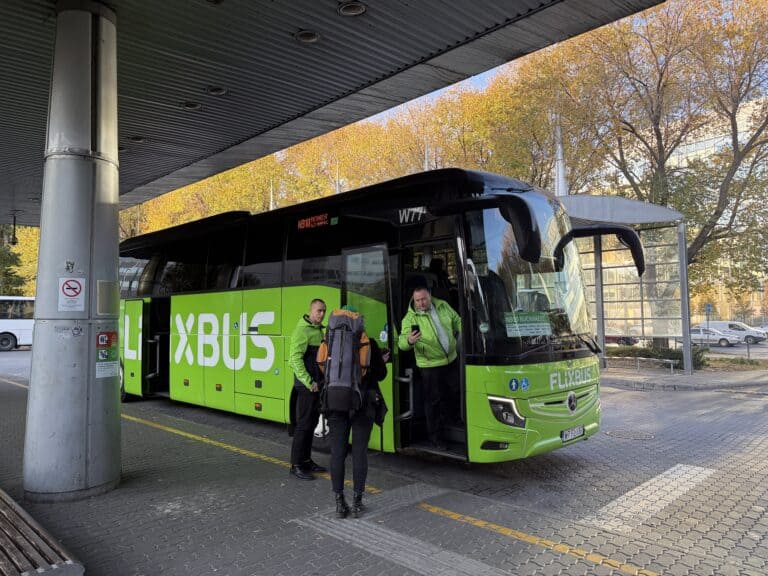
Train vs rental car?
This is one of the questions I get asked most often, and my answer is always: it depends on where you’re going.
Skip the rental car if you’re spending time in Berlin, Munich, Hamburg, or other large cities. The public transit is excellent and parking is a headache.
Get the rental car if you’re exploring smaller towns, villages, and rural areas like the Black Forest or rural Bavaria.
A great middle-ground: rent a car for only half your trip. I’ve helped clients combine trains for city travel with a car for village-hopping.

Train Travel in Germany
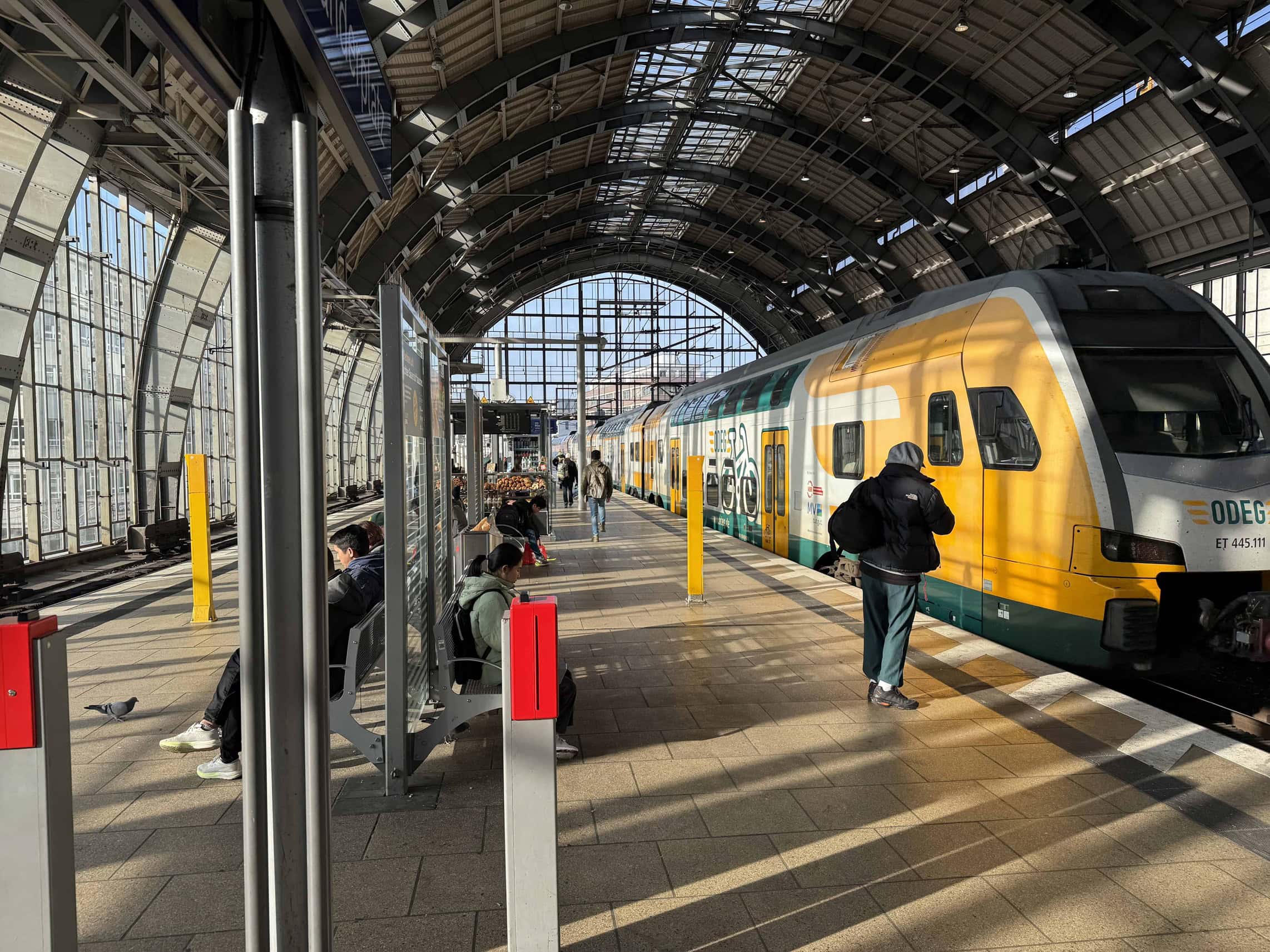
We take trains all over Germany and love it. That said, the Deutsche Bahn is currently upgrading tracks and systems, so some delays, platform changes, detours, and even cancelations are more common at the moment.
Two apps we use constantly in Germany:
- DB Navigator for train planning and tickets
- Google Maps for navigating cities and deciding between walking and transit
How to Travel Germany on a Budget
Germany is not the cheapest destination in Europe, but it’s very manageable with a little strategy:
- Stay just outside the old town. Hotels a 5 to 10 minute walk from the historic center are often noticeably less expensive, and sometimes include breakfast.
- Skip the hotel breakfast if it’s not included. At around 25 euros per person, it adds up fast. Grab something from a grocery store or a nearby cafe instead.
- Don’t eat every meal at a restaurant. German grocery stores like REWE and Edeka have great grab-and-go options: salads, sandwiches, soups, and snacks. Pick something up and find a park bench or town square to sit and people-watch. Save your restaurant budget for dinner.
Also worth knowing: Berlin has a wonderful selection of free museums. Concentration camp memorial sites and documentation centers are free throughout Germany (and we highly recommend visiting one, even though they can be emotionally difficult).
Germany Cultural Etiquette: What First-Time Visitors Need to Know
A few things that catch first-timers off guard:
- Bank transfers are common.Smaller hotels and apartments sometimes ask you to pay by bank transfer or in cash on arrival, using your credit card only as a hold. I get questions about this in our Facebook group regularly because people wonder if it’s a scam. It’s not. It’s very normal in Germany, especially at family-run places that want to avoid credit card processing fees. Totally legitimate.
- Always have cash on you. While credit cards are accepted far more widely than they were even five years ago, plenty of smaller shops, restaurants, and even parking meters are still cash-only. Never leave your accommodation without some euros on you.
- You will pay to use the toilet. Using public toilets typically costs 50 cents to 2 euros. The upside is they’re usually clean and well-maintained.
Common Mistakes First-Time Travelers Make
The biggest one? Renting a car and driving it straight into a major city. Please don’t do this! You do not need or want a car in Munich, Berlin, Hamburg, or other big German cities. Public transit is excellent and parking is a real headache. If you’re flying into Munich and spending a few days there, wait to pick up your rental until you’re ready to leave the city.
Cars are great for exploring the Black Forest, rural Bavaria, smaller villages, and areas where train access is limited. I actually work with clients all the time to design a hybrid approach: train for the city stretches, rental car for the rural parts, then return it when you transition back to urban areas. It saves money and makes the whole trip much more enjoyable.
The other big mistake is underestimating how long it takes to move from place to place. Getting up, packing, checking out, getting to the station, finding your platform, riding the train, then doing all of that in reverse at the other end, it takes real time. Too many one-night stays means you spend your whole trip in transit. I see this turn perfectly good itineraries into exhausting slogs.
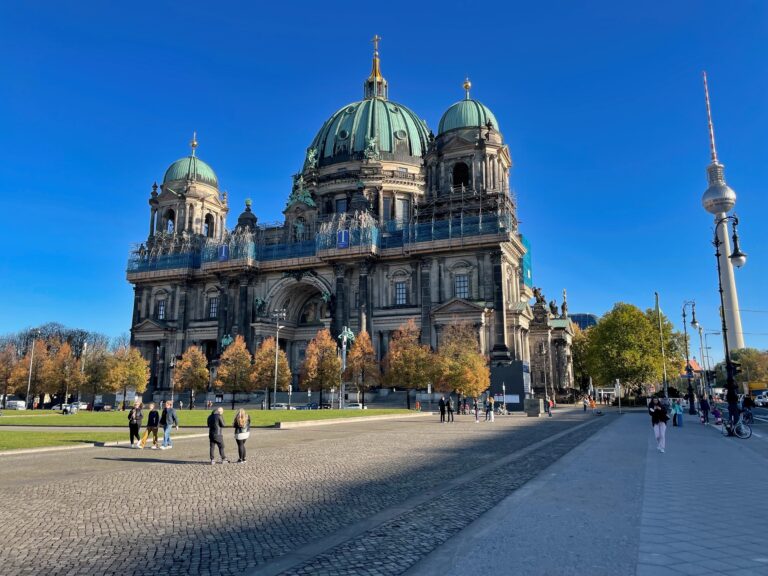
And one more: a lot of first-timers only visit the places they’ve heard of. Bavaria is stunning, yes, but Germany is full of under-the-radar gems that would genuinely delight you. Part of what I love about helping clients plan their trips is introducing them to places they never would have found on their own but end up being the highlight of the whole visit.
What to Eat and Drink in Germany
Traditional German food is delicious and you should absolutely try it. But you don’t have to eat schnitzel at every meal! Germany has lots of international food, creative takes on familiar things like burgers and bagels, as well as vegetarian, vegan, and gluten-free options. You won’t go hungry in Germany!
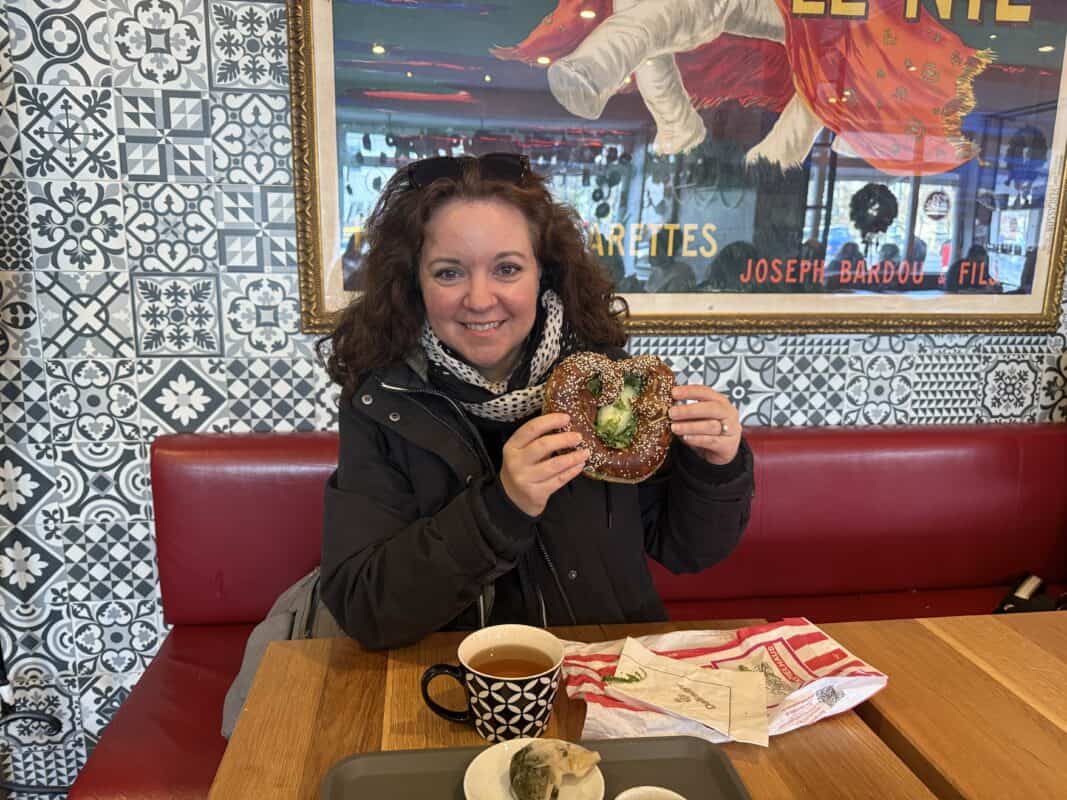
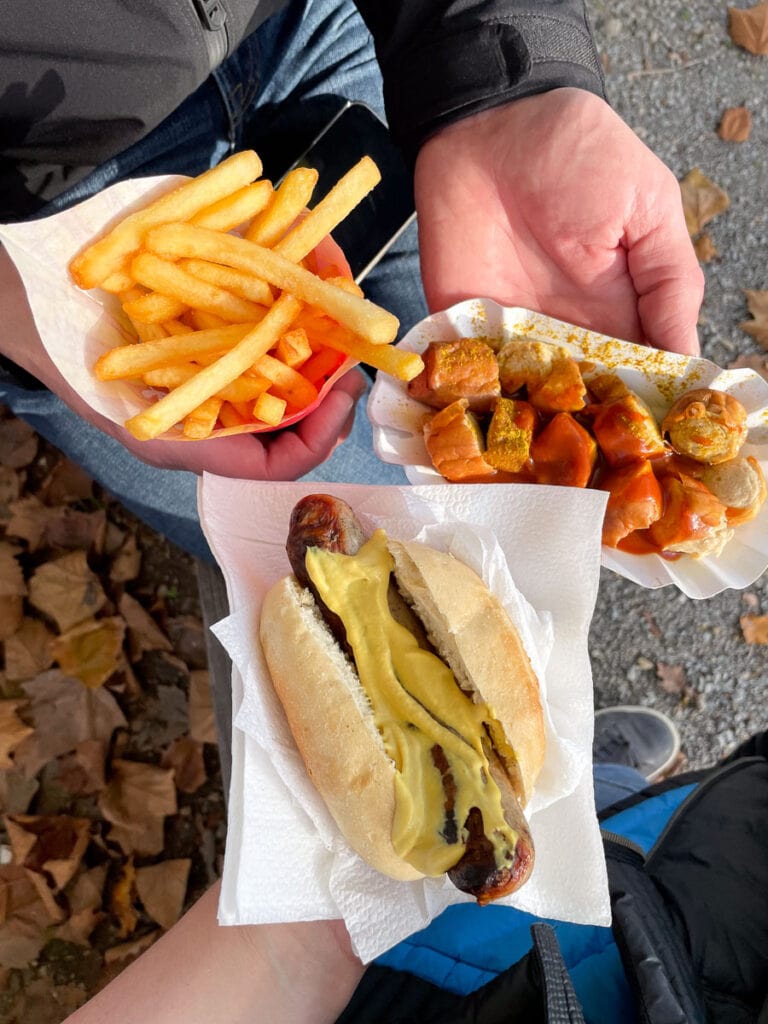
For traditional German meals, look for Schnitzel, Rouladen (beef or pork rolled with mustard and fillings), Sauerbraten, Bratwurst, Käsespätzle (great for vegetarians), Sauerkraut, and Dumplings…just to name a few.
But beyond the classics, here’s what I especially recommend:
- Döner Kebab: available all over Germany, and genuinely one of my top recommendations
- Spaghetti ice cream (Spaghettieis): vanilla ice cream pressed through a sieve to look like pasta, topped with strawberry sauce and white chocolate. It’s a whole experience!
- Kaffee und Kuchen: the beloved German tradition of afternoon coffee and cake. Find a Konditorei or cafe and try whatever looks good.
- Local beer and wine: wherever you are, ask what’s local and what they recommend. The glass the beer comes in is part of the experience, too.
- A food tour: I did a wonderful tour in Berlin that took us out of the tourist center and into a neighborhood and had a great mix of traditional and international bites. Highly recommend as a way to get oriented in a city.
Best German Souvenirs: What to Bring Home from Germany
If you’re wondering what to pack into your suitcase on the way home, here are some of my favorites:
- Christmas market mugs (each market has its own unique design)
- Grocery store finds: chocolate, mustard, interesting snacks
- Cuckoo clocks if you want to splurge
- Fountain pens and notebooks Germany’s stationery culture is genuinely excellent
- Football jerseys for the sports fans in your life